


Các trang web đặt cược trực tuyến trở thành một lựa chọn đáng tin cậy cho những ai muốn tham gia vào hoạt động cá độ bóng đá. Tuy nhiên, với sự xuất hiện của nhiều trang web giả mạo, việc lựa chọn một nơi đáng tin để đặt cược có thể gây ra sự bối rối cho những người mới bắt đầu. Dưới đây là một danh sách được cập nhật về các nhà cái cá cược bóng đá hàng đầu, hãy tham khảo ngay để tìm ra nơi phù hợp nhất với nhu cầu cá nhân của bạn!
Cá độ bóng đá đại diện cho một dạng cá cược, trong đó người chơi sử dụng tiền hoặc các tài sản có giá trị để đặt cược vào kết quả dự đoán của các trận đấu bóng đá đang diễn ra hoặc sắp diễn ra.
Trong trường hợp người chơi đoán đúng kết quả, họ sẽ nhận được phần thưởng tương ứng với số tiền họ đã đặt cược. Tuy nhiên, nếu dự đoán sai, người chơi sẽ phải chịu mất toàn bộ hoặc một phần tiền cược, phụ thuộc vào loại cược.

Hoạt động cá độ bóng đá không chỉ đa dạng về cách thức mà còn mang lại sự phong phú qua nhiều loại kèo cá độ. Cả trong truyền thống và online, chúng ta sẽ gặp các loại kèo cơ bản sau đây:
Kèo Châu Á, còn được biết đến là kèo chấp chính, là loại kèo mà một đội được đánh giá là cửa trên với một số điểm trong trận đấu, trong khi đội đối thủ được xem như “dưới” với một tỷ lệ kèo cố định.
Trong các trang cá độ trực tuyến, kèo Châu Âu là một lựa chọn phổ biến mà bạn có thể dễ dàng gặp. Khi đặt cược theo kèo Châu Âu, bạn không cần quan tâm đến tỷ số hoặc số bàn thắng, chỉ lưu ý ở kết quả cuối cùng của trận đấu giữa đội chủ nhà và đội khách, được biểu thị bằng các ký hiệu 1×2.
Kèo Tài Xỉu, hay còn gọi là kèo trên dưới, sử dụng ký hiệu O/U viết tắt cho Over/Under. Loại kèo này dựa trên tổng số bàn thắng được ghi bởi cả hai đội trong một hiệp đấu hoặc cả trận đấu.

Lựa chọn một địa điểm cá độ bóng đá từ những nhà cái đáng tin cậy sẽ là chìa khóa giúp bạn thuận lợi hưởng tiền từ hoạt động cá cược. Hãy nhanh chóng tham khảo danh sách các trang web cá cược hàng đầu hiện nay để tham gia vào những trận đấu đỉnh cao.
K9WIN, một trong những thương hiệu nhà cái hàng đầu với sân chơi cá độ bóng đá được đánh giá cao, đã thu hút một lượng lớn người chơi tại Việt Nam từ năm 2012. Với sự nổi bật về uy tín, minh bạch trong cách hoạt động, nơi đây đã nhanh chóng ghi dấu ấn là một cái tên quan trọng trong cộng đồng người chơi cá cược bóng đá.
Ưu điểm – Nhược Điểm
Ưu điểm | Nhược điểm |
Tài chính ổn định, mạnh mẽ. | Đang mở rộng cập nhật các phương thức thanh toán mới. |
Tỷ lệ cược cạnh tranh. |

Được cấp phép hoạt động hợp pháp bởi chính phủ Cộng hòa Vanuatu từ năm 2013, M88 nổi lên như một trong những nhà cái hàng đầu tại Châu Á trong thời gian gần đây. Với giấy phép kinh doanh kéo dài 15 năm, M88 sử dụng công nghệ mã hóa AES-256 bit để đảm bảo an toàn tuyệt đối cho thông tin người chơi.
Ưu điểm – Nhược Điểm
Ưu điểm | Nhược điểm |
Giao diện dễ thao tác. | Thời gian chờ khi liên lạc với bộ phận CSKH có thể kéo dài lên đến từ 5 đến 15 phút vào các thời điểm cao điểm. |
Sở hữu ứng dụng cá độ bóng đá trên cả 2 nền tảng Android và iOS. |
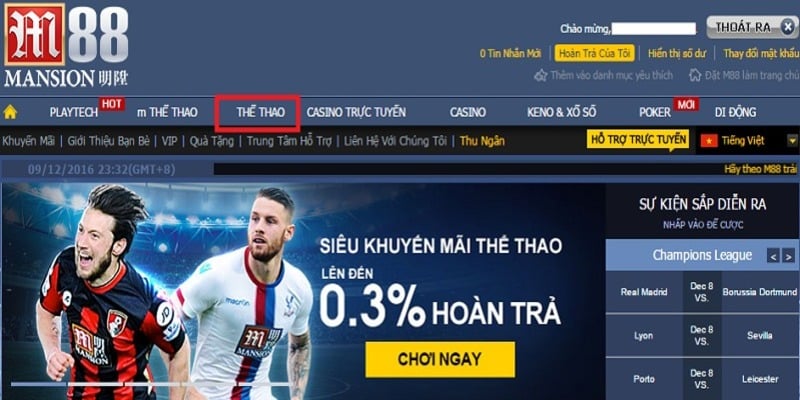
188BET – Một trong những cái tên hàng đầu trong lĩnh vực cá độ bóng đá tại Việt Nam, với giấy phép hoạt động được cấp bởi Isle of Man từ năm 2007. 188BET cung cấp một loạt các dịch vụ cá cược thể thao, casino trực tuyến và thể thao ảo, đáp ứng nhu cầu giải trí đa dạng của người chơi.
Ưu điểm – Nhược Điểm
Ưu điểm | Nhược điểm |
Chương trình khuyến mãi chào mừng lên đến 50%, có thể nhận được lên đến 2 triệu đồng. | Tốc độ tải trang chậm, đặc biệt là khi truy cập vào những sảnh bóng đá để tiến hành thay đổi tỷ lệ Odds. |
Thường xuyên cập nhật thống kê về các trận đấu gần đây để hỗ trợ người chơi đặt cược. |
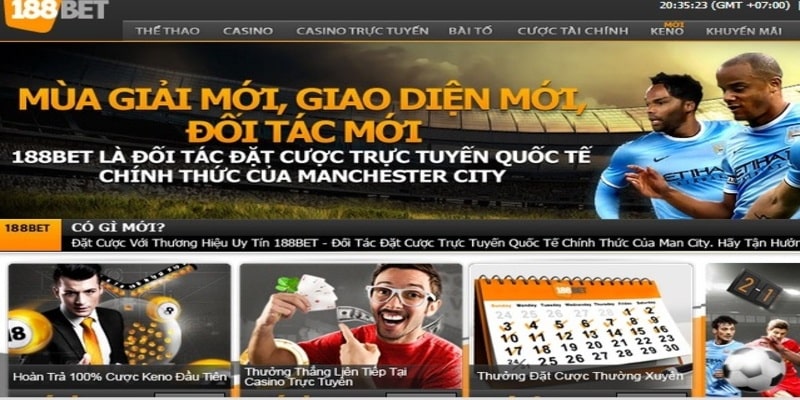
Với sự sở hữu của một tập đoàn truyền thông hàng đầu từ Trung Quốc, JBO đã chính thức ra mắt thị trường Việt Nam vào năm 2019, mang đến dịch vụ cá cược – giải trí trực tuyến hiện đại nhất.
Ưu điểm – Nhược Điểm
Ưu điểm | Nhược điểm |
Chương trình khuyến mãi luôn được sân chơi cập nhật thường xuyên. | Trong giờ cao điểm, sự đông đúc của người tham gia có thể dẫn đến tình trạng lag. |
Tỷ lệ trả thưởng cao và ổn định, phù hợp cho việc tham gia cược running ball. |
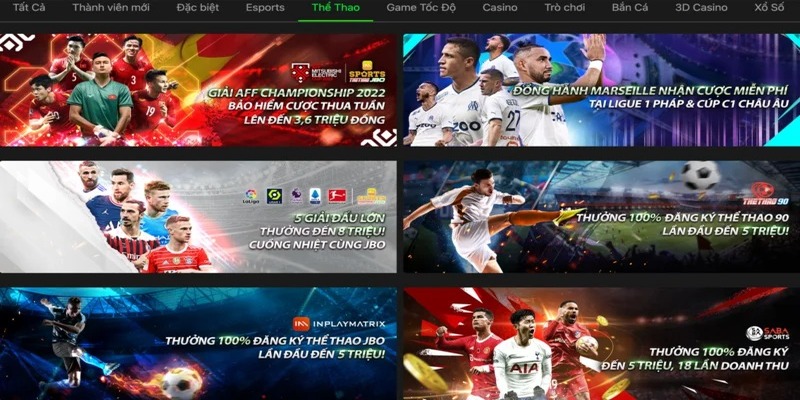
Khi nói đến môn thể thao được coi là biểu tượng quốc dân, không thể bỏ qua nhà cái VN88. Với việc liên tục cập nhật các khuyến mãi chi tiết cho từng trận đấu, trang web này tạo ra một không gian phấn khích xung quanh các sự kiện thể thao suốt năm.
Ưu điểm – Nhược Điểm
Ưu điểm | Nhược điểm |
Bảng kèo hấp dẫn, bao gồm nhiều loại cược khác nhau. | Số lượng kênh chăm sóc khách hàng còn khá hạn chế. |
Trang web cung cấp trải nghiệm đẳng cấp, uy tín trong lĩnh vực cá độ bóng đá. |
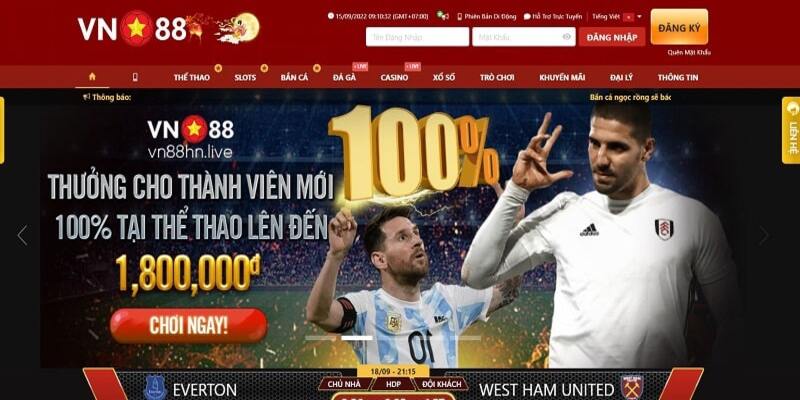
Dafabet đứng đầu trong lĩnh vực cá cược thể thao trực tuyến tại khu vực Châu Á với hai sảnh chính là Thể thao Dafa cùng Thể thao OW được đánh giá cao về chất lượng cùng trải nghiệm người chơi.
Ưu điểm – Nhược Điểm
Ưu điểm | Nhược điểm |
Luôn cung cấp cho khách hàng các khoản tiền thưởng hấp dẫn. | Hạn chế phương thức giao dịch. |
Áp dụng công nghệ bảo mật SSL 128-bit để đảm bảo an toàn thông tin người dùng. |
FUN88, thành lập từ năm 2009, đã nhanh chóng vươn lên trở thành một trong những thương hiệu cá cược trực tuyến hàng đầu tại khu vực Châu Á.
Ưu điểm – Nhược Điểm
Ưu điểm | Nhược điểm |
Bảng kèo đa dạng với hơn 10,000 trận đấu hàng tháng, bao gồm 99% các giải đấu trên toàn thế giới. | Chưa thực sự đầu tư mạnh mẽ vào lĩnh vực các sân chơi thể thao ảo. |
Nhiều tiền thưởng chào mừng. |
Được sở hữu bởi tập đoàn Marquee Holdings Limited, W88 cung cấp một loạt các dịch vụ cá cược thú vị với nhiều kèo cược phong phú.
Ưu điểm – Nhược Điểm
Ưu điểm | Nhược điểm |
Có sẵn đa dạng các sảnh cược với phong cách Châu Á lẫn Châu Âu cùng tỷ lệ trả thưởng cao. | Truy cập không ổn định. |
Cung cấp nhiều ưu đãi cùng với các chương trình khuyến mãi hấp dẫn. |
BK8, một nhà cái cá độ bóng đá, có giấy phép hoạt động hợp pháp từ GC-Gaming Curacao, đã xác lập được một vị thế vững chắc trên thị trường cá cược khu vực Châu Á, đặc biệt là tại Việt Nam.
Ưu điểm – Nhược Điểm
Ưu điểm | Nhược điểm |
Tỷ lệ cá cược thể thao trực tuyến của nhà cái đã đạt đến đẳng cấp hàng đầu trên toàn thế giới. | Sở hữu những phương thức thanh toán chưa mất đa dạng. |
Giao diện hiện đại. |

Không phải tất cả các nhà cái đều là lựa chọn phù hợp cho việc tham gia cá độ. Để tránh rơi vào các thủ đoạn lừa đảo, việc tuân thủ những tiêu chí dưới đây sau khi chọn trang web cá độ bóng đá là rất quan trọng:
Sự tuân thủ pháp luật là một yếu tố vô cùng then chốt vì nó quyết định xem bạn có thể tham gia vào hoạt động cá cược hay không. Các nền tảng cá cược bóng đá chất lượng thường được cấp phép bởi các tổ chức đáng tin cậy như PAGCOR, First Cagayan,MGA, IOM, GC,….
Các sàn cá cược không chỉ đưa ra tỷ lệ cược cho các trận đấu toàn cầu do FIFA tổ chức mà còn cho các giải đấu quốc gia hàng đầu như Ngoại hạng Anh, La Liga, Bundesliga, Serie A…
Các trang cá độ bóng đá đáng tin cậy thường kết hợp với các nhà phát hành danh tiếng để tạo ra một sân chơi đầy hấp dẫn, từ đó tăng cường tỷ lệ trả thưởng và cung cấp cơ hội kiếm tiền cho người chơi.
Việc có tính năng xem trực tiếp cho phép người tham gia cá cược tiếp cận các trận đấu mà không bị ràng buộc bởi vấn đề bản quyền. Qua đó, tạo điều kiện cho các nhà cái có thể quan sát mọi diễn biến một cách tỉ mỉ, từ đó đưa ra những quyết định cược chính xác.
Các sàn cá cược đều đưa ra nhiều chương trình khuyến mãi nhằm kích thích sự quan tâm của người chơi mới, đồng thời khuyến khích khách hàng hiện tại tiếp tục tham gia các hoạt động cá cược.

Thông qua bài viết này, mong rằng quý độc giả đã có cái nhìn tổng quan về danh sách các nhà cái cá độ bóng đá hàng đầu về độ đáng tin cậy tại thị trường Việt Nam. Chúng tôi hi vọng rằng những thông tin được chia sẻ sẽ giúp bạn có thể chọn lựa một nền tảng cá cược đáng tin cậy để tham gia lâu dài.